


How sewage treatment plants help protect UK rivers and waterways
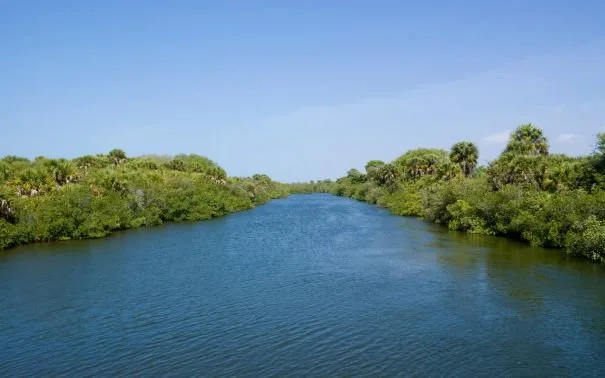
The quality of the UK's rivers and waterways has become an increasing environmental issue. As wastewater volumes increase, effective sewage treatment is essential for protecting rivers, streams, lakes, and groundwater from contamination.
Modern sewage treatment plants help to reduce pollution, safeguard wildlife, and ensure treated wastewater can be safely returned to the environment. This is precisely what systems like our Clenviro Matrix range are engineered to achieve.
The impact of untreated wastewater on the environment
Wastewater generated by homes, businesses, and industrial facilities contains a range of pollutants, including organic matter, bacteria, nutrients, chemicals, and solid waste. If released without adequate treatment, these contaminants can have serious consequences for the environment.
Polluted waterways can have:
Reduced water quality
Harmful algae issues
Loss of aquatic biodiversity
Reduced oxygen affecting fish and wildlife
Increased risks to public health
Groundwater contamination
These risks show why effective sewage treatment and water pollution management are essential for maintaining healthy ecosystems and protecting water resources.
How does our Matrix sewage treatment plant work?
Our Matrix sewage treatment plant uses advanced Submerged Aerobic Filter (SAF) technology to treat wastewater. Sewage first enters a settlement chamber, where solids separate from the liquid. The wastewater then moves into a biological treatment chamber, where aerobic bacteria break down organic pollutants using a continuous air supply.
The treated water passes through a final settlement stage before being safely discharged. This process helps reduce pollution, improve water quality, and protect rivers, streams, and groundwater from contamination.
How sewage treatment plants protect rivers from sewage
One of the primary objectives of wastewater treatment is to protect rivers from sewage pollution. It does this in a number of ways:
Removing harmful contaminants
Treatment processes remove harmful contaminants before wastewater is released. This reduces the amount of pollution entering rivers and streams, helping maintain healthier ecosystems.
Preventing reduced oxygen
Untreated sewage contains large amounts of organic material. As it breaks down in water, it consumes oxygen that fish and other aquatic species need to survive. Effective treatment reduces this impact, supporting healthier river environments.
Protecting wildlife and biodiversity
Clean waterways provide essential habitats for fish, birds, insects, and aquatic plants. By reducing pollution levels, sewage treatment plants help preserve biodiversity and support thriving ecosystems throughout the UK.
Supporting public use of waterways
Improved water quality benefits communities that use rivers and lakes for recreation, including walking, fishing, boating, and wild swimming. Effective wastewater treatment helps minimise health risks associated with contaminated water.
Protecting groundwater resources
Groundwater supplies a significant proportion of the UK's drinking water. If untreated wastewater infiltrates the ground, harmful contaminants can enter underground aquifers and affect water quality for years.
Modern treatment systems help prevent this by removing pollutants before discharge and ensuring wastewater is managed responsibly. This forms an important part of broader wastewater environmental protection strategies aimed at preserving valuable water resources.
Meeting environmental standards
Wastewater treatment facilities in the UK operate under strict environmental regulations designed to protect rivers, coastal waters, and groundwater supplies. Operators must continuously monitor treatment performance and ensure discharged water meets required quality standards.
To meet modern standards, organisations are investing in upgraded infrastructure and treatment technologies to improve efficiency and reduce environmental impact.
Systems like Clenviro’s Matrix units are fully certified to BS EN 12566-3 standards, ensuring absolute compliance with Environment Agency General Binding Rules for safe discharge.
The future of wastewater environmental protection
Advances in treatment technology are helping the industry achieve even greater environmental benefits. Innovations such as enhanced nutrient removal, real-time monitoring systems, and energy-efficient treatment processes are improving the effectiveness of wastewater management across the UK.
These developments strengthen wastewater environmental protection efforts and support national goals for cleaner waterways and healthier ecosystems.
Ready to upgrade your systems?
Sewage treatment plants are there to help us reduce water pollution. By removing harmful contaminants from wastewater, they help protect rivers from sewage, safeguard groundwater resources, and support biodiversity across the UK.
As environmental issues continue to develop, effective sewage treatment and water pollution management will remain essential for protecting the nation's waterways and ensuring a sustainable future for communities and wildlife alike.
We support businesses with reliable wastewater treatment solutions that help achieve compliance, improve environmental performance, and contribute to cleaner, healthier waterways throughout the UK. Find out more about our Matrix sewage treatment plant.